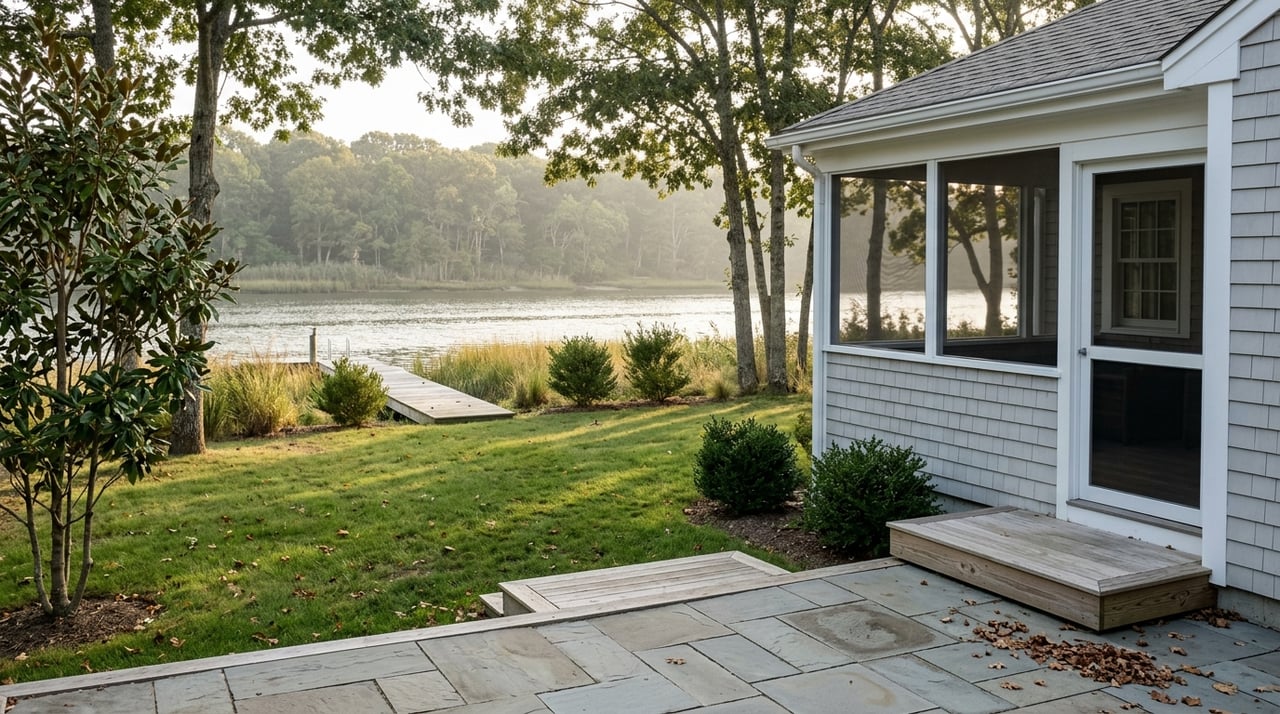
Buying A Riverfront Retreat Along The Mullica River
April 2, 2026
April 2, 2026
Dreaming about a quieter kind of getaway in South Jersey? Buying a riverfront retreat along the Mullica River can offer that tucked-away, nature-first setting many buyers want, but it also comes with a different checklist than a typical residential purchase. If you are considering Waterford Township for a seasonal home, weekend escape, or low-density lifestyle property, it helps to understand the land, the rules, and the ongoing costs before you make an offer. Let’s dive in.
Waterford Township sits in Camden County within the Mullica River and Pinelands corridor, and the township describes the area as offering quiet country living with deep local history dating back to 1694. Township materials also note that Waterford lies entirely within the Pinelands, with substantial state park land and wetlands that drain to the Mullica River basin. That setting is a big part of why homes here can feel more like retreats than standard suburban properties.
County planning materials place the Mullica River Project Area in the northern part of Waterford Township, next to Wharton State Forest and connected to the river’s headwaters. In practical terms, you are not just shopping for a house. You are shopping for a home within a protected, low-density landscape shaped by conservation and environmental rules.
If you are looking for a place that supports outdoor time and a slower pace, the Mullica River area stands out. According to the NJDEP Atsion Recreation Area information, the area offers boating, canoeing, kayaking, hiking, camping, and summer swimming, with river access for electric-motor boating, trailer launches, and car-top launches.
That seasonal rhythm matters if you are buying a second home or warm-weather retreat. NJDEP notes that Atsion cabins are open from May 3 through October 31, and the Pinelands Commission’s canoeing guide says river trips can range from one to six hours depending on route and conditions, with canoe campsites in Wharton State Forest and many liveries operating through October and sometimes into November depending on weather.
River-adjacent property in Waterford is not typical suburban inventory. Planning documents show that large parts of the township fall within Preservation Area or Agricultural Production Area, while other sections are in low-density growth areas. A township environmental inventory cited in regional planning materials says tracts along the Mullica River were zoned RC, or Recreation/Conservation, with residential uses allowed on lots of at least 3.2 acres.
That has a real effect on what you may find on the market. Compared with inland neighborhoods, you may see fewer turnkey waterfront homes, larger parcels, and more limitations on expansion, rebuilding, or accessory improvements. The Delaware Valley Regional Planning Commission report makes clear that this area functions as a preservation landscape tied to wetlands, forests, and nearby Wharton State Forest.
When you buy near the Mullica River, due diligence is not a formality. It is a major part of protecting your investment. Because these properties may involve wetlands, flood concerns, private utilities, zoning questions, or conservation-related restrictions, you want answers early, not after inspections or underwriting begin.
A smart buyer should treat each property as unique. Even two homes on the same road can have different flood exposure, utility setups, lot constraints, or permitted uses.
Before you get attached to a property, confirm what the lot is zoned for and what can legally be done there. The township tax assessor notes that the Planning and Zoning Board can help confirm how a property is zoned and what can be built on it. This is especially important if you are considering additions, sheds, docks, lot clearing, or changes tied to a seasonal-use plan.
Because the Mullica River corridor sits in a regulated landscape, assumptions can create expensive surprises. The same is true if you are buying with acreage or hoping for more flexibility than a standard residential subdivision would offer.
One of the biggest practical questions is whether the home is connected to public water and sewer or uses a private well and septic system. Waterford Township Public Works handles municipal water and sewer, and the township’s tax and utilities collector notes that utility billing is quarterly. The township also states that Camden County properties connected to public sewer receive two sewer bills, one from the township and one from CCMUA.
That means your monthly or quarterly carrying costs may look different than expected if you are comparing the home to a more conventional property. Utility status should be confirmed very early in the process, since it affects budgeting, inspections, and sometimes lender documentation.
If the home has a private well, pay close attention to testing. The New Jersey Department of Health Private Well Testing Act fact sheet says untreated private well water must be tested when a property is transferred by contract of sale. The same guidance lists common transfer-test items such as bacteria, nitrate, lead, arsenic, mercury, PFAS, iron, manganese, and pH.
For buyers, that means water quality should be part of your decision-making, not a last-minute closing item. If test results show treatment needs, you will want time to evaluate repair costs, ongoing maintenance, and any effect on your financing or insurance.
If the home is on septic, make that system a priority. The EPA homebuyer septic guide recommends inspection before purchase, which is especially important for homes used seasonally or properties that may have older systems.
The Pinelands Commission also notes that conventional and advanced septic systems must be properly operated and maintained. It further states that conventional Pinelands systems are designed around a minimum 3.2-acre parcel, and conventional systems must be inspected, cleaned, and certified as functional to the local board of health every three years.
Riverfront appeal often comes with added flood diligence. Waterford’s municipal stormwater management plan notes large wetland areas across the township and confirms that wetlands drain to the Mullica River basin. It also identifies flooding concerns along at least one tributary corridor.
That is why you should ask early whether the home is in a flood zone, whether an elevation certificate exists, and whether the property has any history of water intrusion. This is not just about peace of mind. It can affect insurance costs, renovation plans, and mortgage approval.
According to FEMA guidance on Special Flood Hazard Areas, a building in a Special Flood Hazard Area may trigger mandatory flood insurance when the loan is made by a federally regulated, supervised, or insured lender, or by a federal agency. If you are financing the purchase, that detail can directly affect affordability.
When you tour a Mullica River property in Waterford Township, keep your questions focused and specific. A little extra homework upfront can save time, money, and frustration later.
Here are some of the most important questions to ask:
Some buyers explore the idea of occasional or seasonal rental income to help offset ownership costs. If that is part of your thinking, do not assume the plan will fit local requirements. Waterford Township’s Construction and Zoning Enforcement page includes landlord registration and residential rental application materials.
That is a useful starting point for buyers who may use the property as a rental. Before closing, confirm the township requirements and whether the specific property setup aligns with them.
If the property includes a larger tract of land, ask how it is currently assessed. The township tax assessor information notes that land may qualify for farmland assessment if it meets state requirements.
That does not mean every larger parcel will receive special treatment, but it does mean tax status is worth checking. A property taxed as standard residential land can carry very different costs from one enrolled in a qualifying program.
The strongest appeal of buying along the Mullica River is lifestyle. You may gain privacy, room to spread out, and close access to boating, paddling, hiking, and the wider Pinelands environment. For the right buyer, that can make Waterford Township feel like a true retreat while still remaining within South Jersey.
The tradeoff is that you need to shop carefully. These homes often require more investigation than a neighborhood house on public utilities with standard lot dimensions. If you go in prepared, you can make a more confident decision and avoid surprises after closing.
When you are weighing a riverfront home, local guidance matters. Elizabeth Hildebrand can help you evaluate listings, ask the right pre-offer questions, and navigate the details that make unique South Jersey properties different from a standard home search.
Stay up to date on the latest real estate trends.


Get assistance in determining current property value, crafting a competitive offer, writing and negotiating a contract, and much more. Let me guide you through your home-buying journey.

ELIZABETH HILDEBRAND
703 WHITE HORSE PIKE ABSECON NJ 08201