Thinking about a home in Smithville’s 08205 with an HOA? You are not alone. HOA communities here can offer convenience and amenities, but they also add rules and recurring fees that affect your budget and day-to-day life. In this guide, you will learn how HOAs work in Smithville and Galloway Township, which documents to review, the questions to ask, and the red flags to watch. Let’s dive in.
HOA living in Smithville: the basics
Smithville and nearby Galloway include a mix of condos, townhomes, and planned subdivisions with HOAs. Each type handles ownership, insurance, and maintenance differently, so start by confirming what you are buying.
Know the community type
- Condominiums: You own the interior space. The association typically maintains the roof, exterior, and shared grounds. You carry an HO-6 policy for interior finishes and personal property.
- Homeowners association or planned community: Often single-family or townhomes. You usually own the lot and exterior. The HOA maintains selected common areas. Your policy is typically an HO-3.
- Master and sub-associations: Some developments have a master HOA for shared amenities plus a sub-association for your neighborhood or building.
- Cooperatives: Less common locally. Ownership is a share in an entity, with different occupancy and lending rules.
Why it matters: Boundaries, maintenance, insurance needs, and what the monthly fee covers all depend on the community type.
What fees usually cover locally
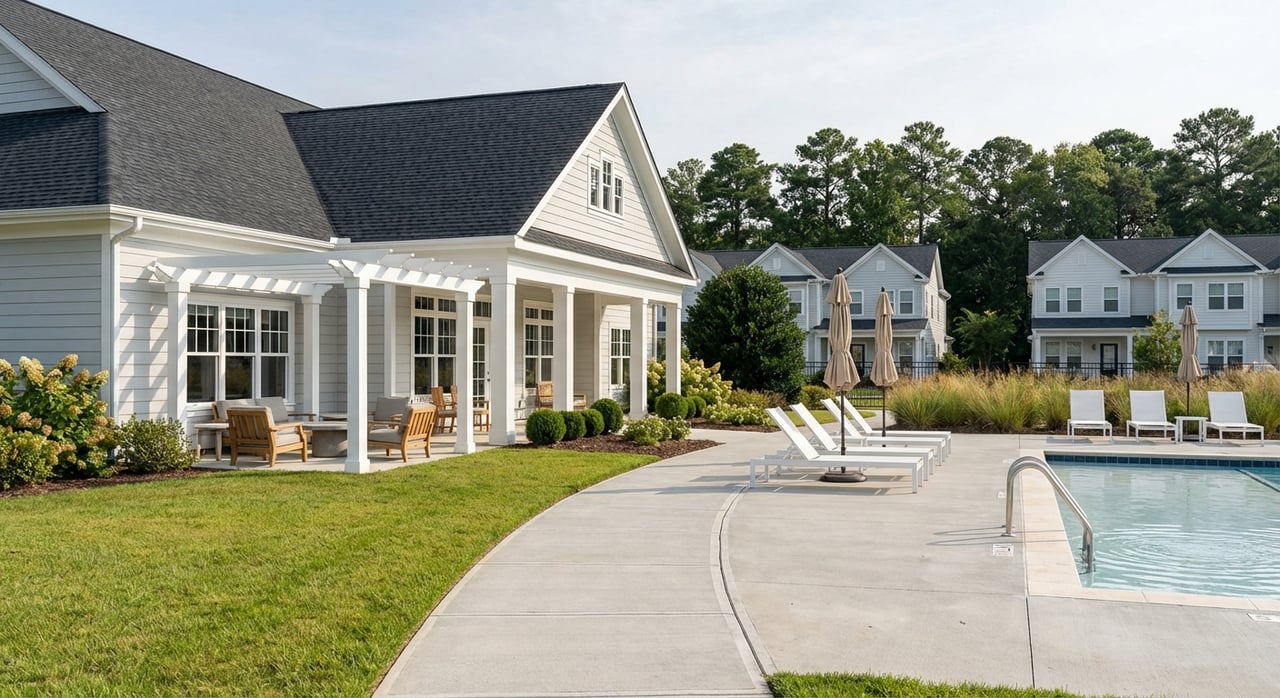
In Atlantic County communities, fees often reflect the level of amenities and maintenance. Pools, clubhouses, private roads, landscaping, snow removal, and professional management can increase costs. Older developments may face higher repair or assessment risk if reserves are low or maintenance is deferred.
Your true monthly cost in Atlantic County
New Jersey property taxes are relatively high compared with many states, and HOA fees are on top. Build your total monthly number so there are no surprises.
- Mortgage principal and interest
- Property taxes divided by 12
- HOA or condo fees
- Utilities and services
- Owner insurance based on the community type
- Expected maintenance not covered by the association
Documents to review before you commit
Request these items as early as possible. Build a document review contingency into your offer so you can cancel or renegotiate if needed.
- CC&Rs or Master Deed: Defines use rules, assessments, and maintenance duties.
- Bylaws and Articles: Governance, elections, and meeting procedures.
- Rules and Regulations: Parking, pets, noise, rentals, and common-area use.
- Survey, plat, and legal description: Confirms boundaries and easements.
- Current budget and recent annual budgets: Shows income, expenses, and fee history.
- Reserve study: Evaluates long-term capital needs and funding.
- Financials and bank statements: Operating and reserve balances, delinquencies.
- Assessment history: Regular fees, increases, and special assessments over 3–5 years.
- Board and membership meeting minutes: Reveals disputes, maintenance issues, and upcoming projects.
- Master insurance policy details: Coverage, deductibles, and owner requirements, including loss-assessment coverage.
- Litigation disclosures: Any pending or threatened actions.
- Management agreement: Term, scope, and fees if a management company is used.
- Estoppel letter: Confirms dues, unpaid balances, planned assessments, and violation status.
- Rental and occupancy rules: Minimum lease terms, caps, and short-term rental policies.
- Architectural review guidelines: Approval process, timelines, and fees for exterior changes.
- Required New Jersey disclosures and any public offering statements for newer projects.
Look for reserve adequacy, fee stability, delinquency levels, litigation, clear maintenance duties, and insurance deductibles that owners may share through loss assessments.
Key questions for the HOA and seller
Use these questions to fill in gaps and test the financial and operational health of the community.
Money and reserves
- What are the current assessments, when were they last increased, and are increases planned?
- What is the reserve balance and date of the last reserve study?
- Are any special assessments pending or anticipated? Why were past assessments levied?
- What percentage of owners is delinquent on dues?
Maintenance and services
- Which items are HOA responsibilities versus the owner’s? Roof, siding, driveways, landscaping, exterior paint, and fences are common areas of confusion.
- Which services are covered at the HOA level, such as trash, landscaping, or snow removal? Are any utilities included?
Rules and lifestyle fit
- Are rentals allowed, and if so, what limits or caps apply? What are the minimum lease terms?
- Are short-term rentals allowed or restricted?
- What are the pet rules, including number, size, or breed restrictions?
- How does the Architectural Review Committee process work, and how long do approvals typically take?
Insurance and risk
- What does the master policy cover and what are the deductibles for common claims?
- Are owners required to carry loss-assessment coverage and at what minimum limits?
Board and management
- Is the association self-managed or professionally managed? Who are the contacts?
- How many board members, when are elections, and when is the annual meeting?
- What capital projects or vendor changes are planned?
Financing and approvals
Your lender may require HOA documents, budget details, and insurance proof before approving the loan. For condos, some loan programs, including FHA and VA, may require project approval. If a condo is not on an approved list, that can limit financing options, so check with your lender early.
Local rules and historic overlays
HOA rules can interact with municipal codes and historic-district requirements in parts of Smithville. Confirm if the property falls within any local overlays that affect exterior changes, signage, or materials. Review both the HOA architectural guidelines and applicable township rules before planning improvements.
Red flags to watch
- No or inadequate reserves and no recent reserve study
- Open or likely special assessments for major repairs without a clear plan
- Extensive pending litigation tied to construction defects or governance
- High delinquency rates or repeated collection issues
- Rules that conflict with your plans, such as rental limits or strict pet bans
- Insurance deductibles so high that owners face significant loss-assessment exposure
Smart contingencies and negotiation
Build a document review contingency of 7 to 21 days based on market norms. Align your financing contingency with any condo or project approval needs. Ask the seller to provide an estoppel before closing to confirm balances and pending assessments.
If large capital projects are planned, consider negotiating a seller credit, escrow, or price reduction. Request recent minutes and financials up front when possible. If near-term expenses are disclosed but unfunded, explore a holdback or warranty to manage risk.
A simple due-diligence timeline
- Before the offer or with your offer: Ask for CC&Rs, bylaws, rules, current budget, and the most recent meeting minutes.
- After acceptance: Order the estoppel and reserve study if not already provided. Have a New Jersey real estate attorney review the documents.
- Before closing: Confirm insurance requirements and lender HOA documentation needs. Verify no new assessments or liens have appeared.
Who can help locally
- Galloway Township municipal and historic staff to confirm local codes and overlays
- Atlantic County Clerk for recorded covenants, plats, and easements
- A New Jersey real estate attorney experienced with HOA and condo law
- A lender familiar with local condo approvals and HOA documentation
- An insurance agent who understands HO-6, HO-3, and loss-assessment coverage in New Jersey
- A local real estate agent with recent experience in Smithville-area HOAs
Ready to explore Smithville HOAs?
If HOA living is on your list in Smithville or Galloway, you deserve a clear plan and a smooth process. From matching you to the right community type to reviewing documents and navigating approvals, you will have a guide at every step. For local insight and careful, hands-on support, connect with Elizabeth Hildebrand.
FAQs
What is the difference between a condo and an HOA in Smithville?
- In a condo, you own the interior and the association maintains common elements; in an HOA for single-family or townhomes, you usually own the lot and exterior while the HOA maintains selected shared areas.
How do I estimate my monthly cost in 08205?
- Add mortgage, property taxes divided by 12, HOA fees, utilities, owner insurance, and any maintenance not covered by the association.
Which HOA documents should I review before buying?
- Review CC&Rs or Master Deed, bylaws, rules, budgets, reserve study, financials, assessment history, minutes, master insurance details, litigation disclosures, and the estoppel.
Can FHA or VA loans be used for Smithville condos?
- Yes, but some programs require condo project approval; confirm status with your lender early to avoid delays or financing limits.
What are common HOA red flags in Atlantic County?
- Inadequate reserves, frequent or pending special assessments, high delinquencies, major litigation, unclear maintenance duties, and master policies with very high deductibles.
How do HOA and township rules interact in historic areas?
- HOA architectural guidelines operate alongside municipal codes and any historic overlays, so confirm both sets of rules before planning exterior changes.