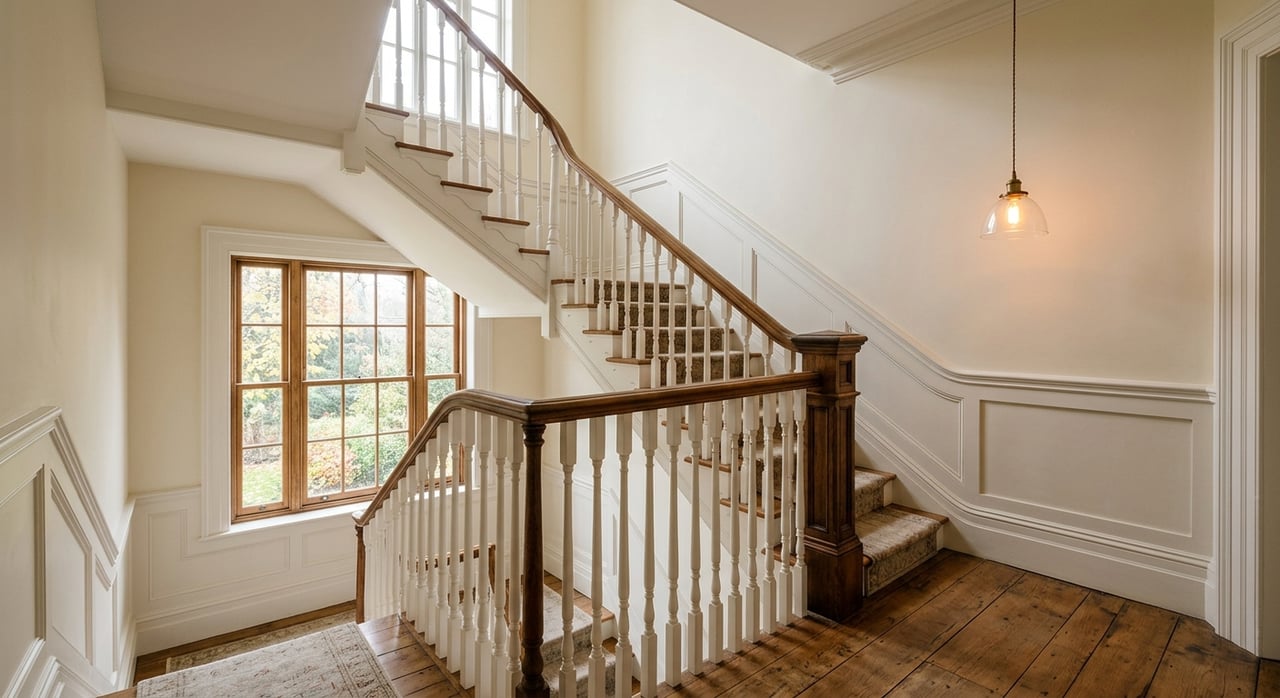
Buying A Historic Home In Hammonton: What To Know
July 9, 2026
July 9, 2026
Thinking about buying a historic home in Hammonton? It can be exciting to picture a front porch, original windows, and details you do not see in newer construction. It can also raise practical questions about condition, permits, and what “historic” really means for you as a buyer. This guide will help you understand how older homes in Hammonton work, what to look for, and what questions to ask before you move forward. Let’s dive in.
In Hammonton, historic homes are not just scattered older properties. The town has a documented historic core tied to Bellevue Avenue and downtown, and Atlantic County mapping identifies a Bellevue Ave Historic District. That matters because a home’s location may affect how you plan updates or exterior changes later.
Hammonton also has a Historic Preservation Commission. According to the town code, the commission was created following historic district study work and continues to review historically or architecturally significant structures and areas. The commission also makes recommendations related to National Register nominations.
One point often confuses buyers. In New Jersey, being listed in the state or National Registers does not automatically restrict a private owner’s rights by itself. In many cases, the bigger issue is whether local zoning or preservation rules apply to the property.
Hammonton’s older housing stock includes a wide range of styles. Local historic survey materials highlight late Victorian, Queen Anne, Colonial Revival, Mission, Tudor Revival, bungalow, Stick, Italianate, Prairie/Four-Square, and Gothic Revival examples. That variety is part of what makes shopping in Hammonton so interesting.
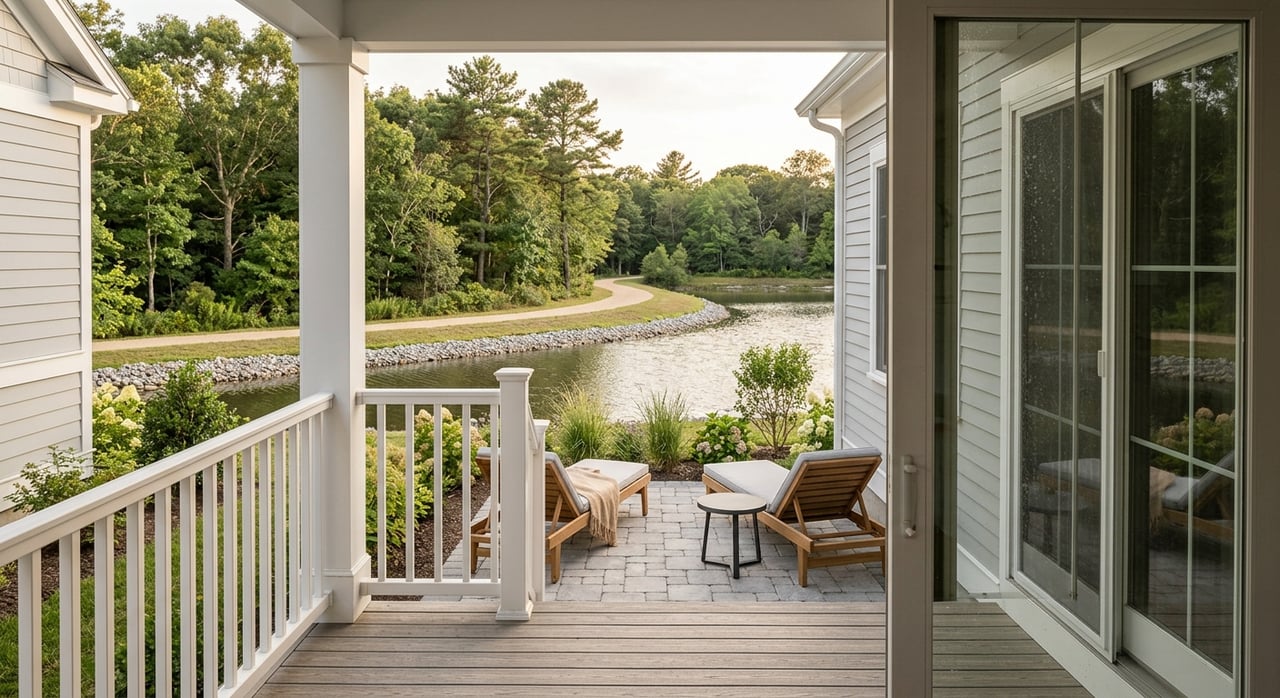
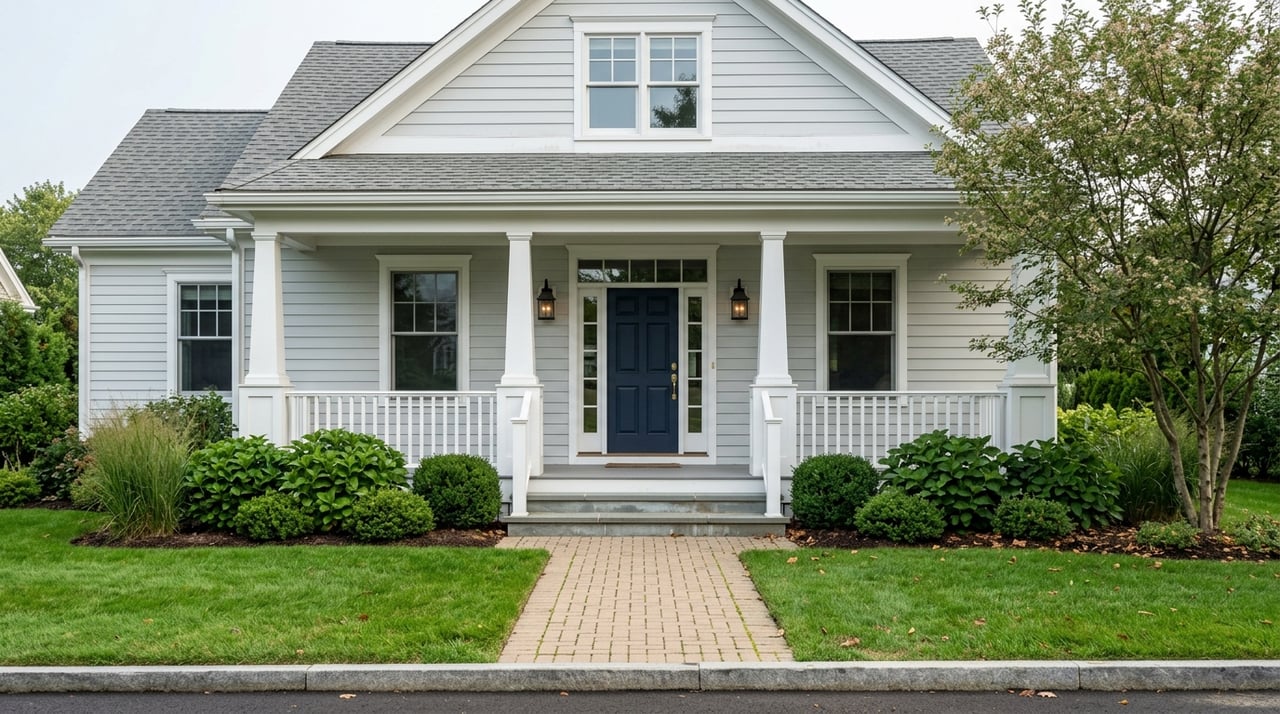
As you tour homes, you may notice front porches, cross gables, steep rooflines, half-timbering, stained-glass or Palladian windows, and pressed-metal cornices. Exterior materials can include brick, stucco, stone, wood clapboard, and shingle. These details often shape both the home’s charm and its maintenance needs.
You may also see homes that look partly modernized. Some Bellevue Avenue homes kept their historic massing and window rhythm even after later aluminum or other cladding was added. So when a listing says “updated,” the home may still have a strongly historic underlying form.
When you buy an older home, the key question is usually not whether it is simply old. A better question is whether the house is mostly original, altered over time, or intentionally preserved. That distinction can help you set realistic expectations for repairs, future projects, and long-term upkeep.
Historic inventory work in Hammonton shows many homes that were remodeled over the years but still read as historic because their core proportions and character-defining features remain. In plain terms, the porch layout, roof shape, and window pattern may still tell the home’s story even if some finishes changed. That is why a showing should focus on both appearance and substance.
Older homes deserve careful inspections, especially when the property has visible historic features. Roofs, windows, and porches are especially important because they affect both function and character. A weather-tight roof is foundational, and porch elements often need thoughtful repair rather than quick replacement.
Preservation guidance from the National Park Service generally favors repair over replacement when possible. If replacement is necessary, the new material should match the old in design, color, texture, and, where possible, materials. For buyers, this means future maintenance costs may depend on whether the home’s older features can be repaired or need more specialized work.
Windows are a good example. Historic windows are often treated as assets worth evaluating carefully rather than replacing automatically. If a home still has older windows, ask whether they are original, whether they operate well, and whether repairs or restoration have been done.
If a Hammonton home was built before 1978, lead-based paint should be part of your due diligence. The EPA says homes built before that year are more likely to contain lead-based paint, and renovation or repair work can create hazardous lead dust if painted surfaces are disturbed. That matters whether you plan to move in right away or renovate after closing.
For most pre-1978 homes, buyers are entitled to lead disclosure information and any available records before signing a contract. If you are considering a historic-style home in Hammonton, ask for those documents early. It is a simple step that can give you a clearer picture of the home and help you plan safely.
If you love the idea of customizing a historic home, start with the local approval process before you start design plans. Hammonton’s Historic Preservation Commission reviews structures and areas that may be historically significant, and local review may apply to exterior work in a locally regulated historic area. In practice, that can affect what gets approved and how changes should be handled.
Hammonton’s zoning permit application shows how broad local review can be. It covers decks, fences, sheds, pools, additions, solar, signs, and new residential dwellings, and it requires a survey showing setbacks, heights, and sizes. Even projects that seem modest at first can trigger local review questions.
At the state level, New Jersey construction guidance says local officials issue building permits for new construction, additions, and alterations, including new roofs and repairs to existing structures. For you as a buyer, the takeaway is simple: do not assume a small project is exempt. Check with the local construction office before work begins.
Buyers sometimes assume that any “historic designation” comes with the same rules. That is not always the case. In New Jersey, state or national register listing alone does not automatically restrict a private owner’s rights.
In many situations, the real limits come from local ordinances, zoning rules, or projects that involve state or federal permission or funding. Another point worth knowing is that the federal historic rehabilitation tax credit is aimed at income-producing buildings, not owner-occupied residences. If you are buying a primary home, do not assume a historic tax credit will apply.
Listing descriptions for older homes often sound exciting, but they are only a starting point. Terms like “original details,” “original windows,” “updated,” “renovated,” and “rehabilitated” are clues, not guarantees. The real story comes from permits, disclosures, and inspections.
For example, “updated” may mean a seller modernized part of the home without a full overhaul. “Renovated” can describe anything from cosmetic improvements to major systems work. If the home is older, you will want to confirm what was actually changed, when the work was done, and whether permits were pulled when needed.
The same goes for “as is.” That usually means the seller does not plan to make repairs, but it does not eliminate the value of inspections or disclosures. Deal status terms like “contingent,” “under contract,” and “pending” only tell you where the transaction stands, not how the house is performing.
When you are serious about a historic home in Hammonton, these questions can help you move from charm to clarity:
These questions can save you time and help you compare homes more confidently. They also give you a better sense of future costs, approval steps, and maintenance expectations.
Buying a historic home is different from buying a newer property. You are not just evaluating square footage and finishes. You are also looking at materials, past alterations, local review, and the difference between cosmetic updates and meaningful preservation.
That is where local context matters. In a place like Hammonton, understanding the town’s historic core, permit process, and older housing stock can help you make a smarter decision from the start. If you are weighing historic charm against renovation plans, having clear guidance can make the process feel much more manageable.
If you are exploring older homes in Hammonton and want practical, local advice, Elizabeth Hildebrand can help you evaluate your options and move forward with confidence.
Stay up to date on the latest real estate trends.
Get assistance in determining current property value, crafting a competitive offer, writing and negotiating a contract, and much more. Let me guide you through your home-buying journey.

ELIZABETH HILDEBRAND
703 WHITE HORSE PIKE ABSECON NJ 08201