Planning A Home Sale In Four Seasons At Smithville
July 2, 2026
July 2, 2026
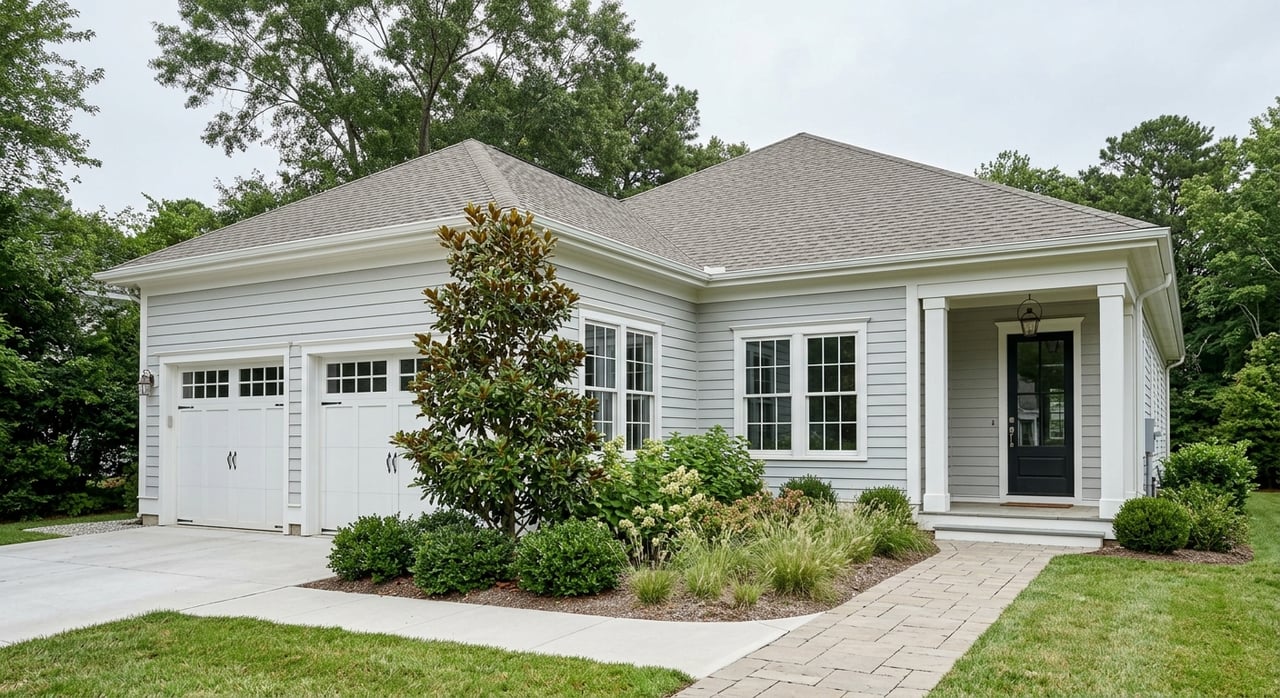
If you are planning a home sale in Four Seasons at Smithville, timing and preparation matter more than you might think. In a resale-only community, buyers are not comparing your home to a builder’s model down the street. They are comparing it to other existing homes in the neighborhood, and details like location, condition, paperwork, and HOA compliance can shape both price and buyer confidence. This guide will help you understand what to prepare, what buyers may notice, and how to plan for a smoother sale. Let’s dive in.
Four Seasons at Smithville is a 55+ active adult community in Galloway with 1,217 homes across ten villages. The community is fully built out, which means every home that comes to market is a resale. That creates a different selling environment than a neighborhood where buyers can still choose new construction.
Because of that, your home needs to stand out against other resales based on its model, square footage, condition, setting, and updates. Buyers may also pay close attention to access to amenities, walking paths, and pond or wooded views. In this kind of market, thoughtful preparation can make a real difference.
Before you think about photos or showings, gather the documents a buyer may ask about. A complete file can reduce delays and help answer questions early.
Your seller file should include:
This matters because the community’s ACC rules require written approval for many exterior changes. Completed projects are also subject to review, and deviations can require removal at the homeowner’s expense.
In Four Seasons at Smithville, exterior work is not something to gloss over when you sell. The ACC rules say features such as enclosures, additions, doors, windows, shutters, patios, decks, and driveways require a Request for Exterior Modification and written HOA approval. In some cases, township permits may also be required.
If required permits or variances were not obtained, HOA approval can become void. That means sellers should take a careful look at any exterior updates completed over the years. If you replaced windows, changed a driveway, added a patio, or altered visible exterior elements, now is the time to confirm the paperwork is in order.
The ACC rules also standardize several visible features in the community. Driveways must be blacktop asphalt, mailboxes and posts must match community standards, replacement windows must follow the developer style, and exterior lighting must stay within community norms.
Some homes have improvements that may have been acceptable at the time they were added, while others may need a closer look. The ACC rules prohibit or tightly limit features such as sheds, pools, spas, play equipment, and many nonstandard exterior additions.
If your home has an unusual patio, an older backyard improvement, or anything that looks different from surrounding homes, it is smart to verify compliance before your home goes live. That step can help you avoid surprises during buyer due diligence.
Many sellers expect to start with a yard sign, but that is not the norm here. The current ACC rules state that commercial signs, including for-sale signs, may not be displayed.
That makes pre-listing strategy especially important. Since buyers may not discover your home by driving through the neighborhood and spotting a sign, your sale may depend more on strong online presentation, accurate pricing, and a clear showing plan. It is also wise to confirm how the HOA wants listings and open houses handled before marketing begins.
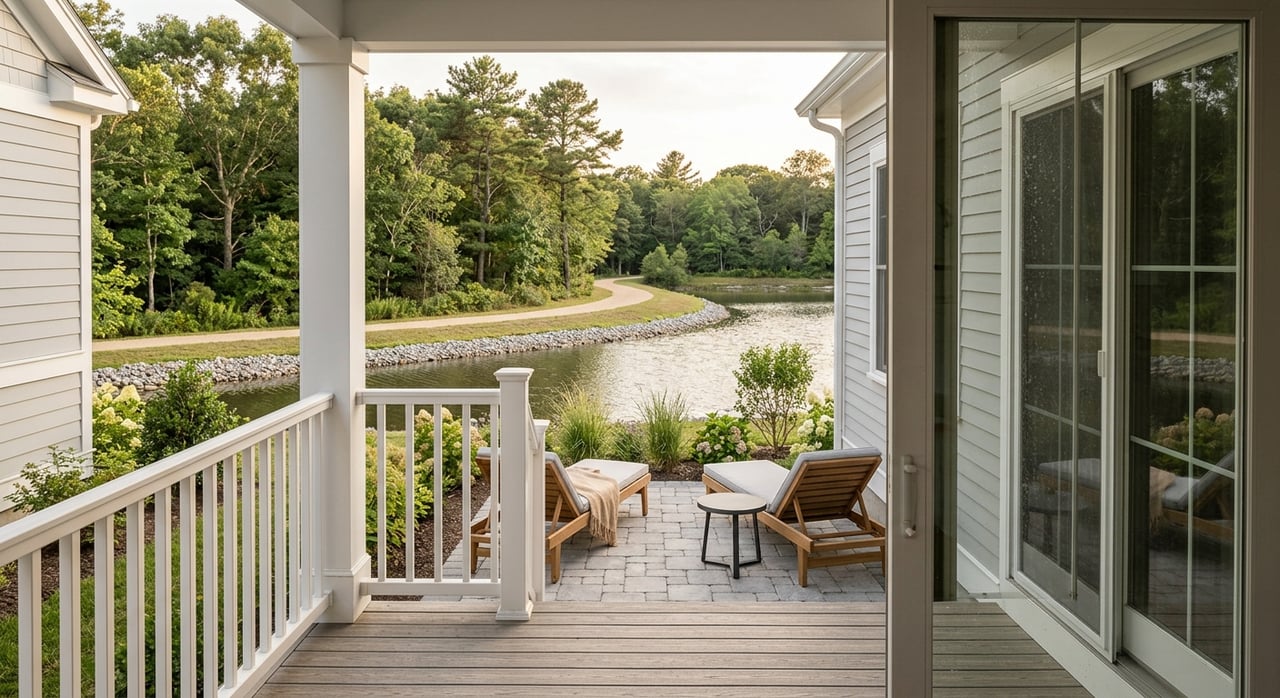
Not every home in Four Seasons at Smithville offers the same setting, and buyers often notice that. Recent sold listings have highlighted features like being within walking distance of the clubhouse and pools, facing an open cul-de-sac, or backing to private woods.
That tells you something important as a seller. Your home’s value story is not just about square footage. It may also include privacy, pond views, clubhouse proximity, village location, or a corner lot setting.
When planning your sale, think about the features a buyer will experience day to day. A home near amenities may appeal to someone who wants easier access to the clubhouse, fitness rooms, or pools. A home with wooded or open views may appeal to a buyer focused on privacy and outdoor enjoyment.
One of the biggest mistakes sellers can make is relying on broad market chatter instead of true comparable sales. In a neighborhood like Four Seasons at Smithville, buyers will often compare your home to recent sales within the same community.
Atlantic County Board of Taxation guidance says comparable sales should be in the same municipality, similar in square footage, in the same neighborhood or of comparable quality, similar in age and construction, and based on actual usable sales rather than listings. The county also notes that quality is better than quantity.
Recent 2025 sales in the community show a wide resale range:
Taken together, those sales suggest a broad 2025 resale band from the mid-$300,000s to the upper-$400,000s. Larger homes and homes with stronger location or finish appeal tended to sell for more.
That does not mean your home fits neatly into the middle of that range. It means pricing should account for your specific model, size, condition, updates, and location within the community.
A smooth closing often starts before your home even hits the market. In Galloway Township, a fire certificate is required on a resale or change of ownership for smoke detectors, carbon monoxide detectors, and fire extinguishers. The inspection must occur before the new owner can occupy the home.
The township also has a fee schedule that varies based on timing, so sellers benefit from planning early. Waiting until the last minute can add stress to an already busy closing calendar.
If you are making repairs or improvements before listing, remember that Galloway Township says permit responsibility belongs to the homeowner, not the contractor. The township’s Community Development office administers permits and code enforcement, so it is important to make sure any required permits are handled correctly.
Sellers in New Jersey should also expect transfer-tax paperwork at closing. The New Jersey Division of Taxation says the Realty Transfer Fee is imposed on the seller when a deed is recorded, and most sellers must file form RTF-1.
Sellers also need the appropriate GIT/REP form. Resident sellers use GIT/REP-3, while nonresident sellers may owe estimated tax at closing. Knowing this in advance can help you avoid surprises when final numbers are prepared.
If you are not sure where to begin, keep your plan simple and practical. A step-by-step approach can make the process feel much more manageable.
A strong pre-listing sequence often looks like this:
In a resale-only neighborhood, buyers often look for reasons to compare one home against another. Missing approvals, unclear permit history, or visible nonstandard features can create hesitation. Even when a buyer still wants the home, uncertainty can affect negotiations.
On the other hand, a well-prepared sale helps your home feel easier to understand and easier to buy. Clean records, realistic pricing, and a clear presentation of your home’s setting within Four Seasons at Smithville can all support a more confident buyer response.
If you are thinking about selling in Four Seasons at Smithville, Liz can help you sort through the details, understand the local resale picture, and build a practical plan that fits your goals. Reach out to Elizabeth Hildebrand for personalized guidance on your next steps.
Stay up to date on the latest real estate trends.

Get assistance in determining current property value, crafting a competitive offer, writing and negotiating a contract, and much more. Let me guide you through your home-buying journey.

ELIZABETH HILDEBRAND
703 WHITE HORSE PIKE ABSECON NJ 08201